Understanding the Jyotirlingas
In Hindu tradition, Jyotirlingas are considered the most sacred manifestations of Lord Shiva. The word 'Jyotirlinga' means 'pillar of light', symbolising Shiva’s infinite and formless presence. According to the Shiva Purana, Lord Shiva appeared as an endless column of divine light to settle a dispute between Brahma and Vishnu, neither of whom could find its beginning or end, revealing Lord Shiva’s eternal and limitless nature.
The places where this divine manifestation occurred came to be revered as the twelve Jyotirlingas, which today form one of the most sacred pilgrimage circuits in Hinduism. Devotees believe that visiting these shrines is a path towards spiritual growth, inner peace, and liberation.
.
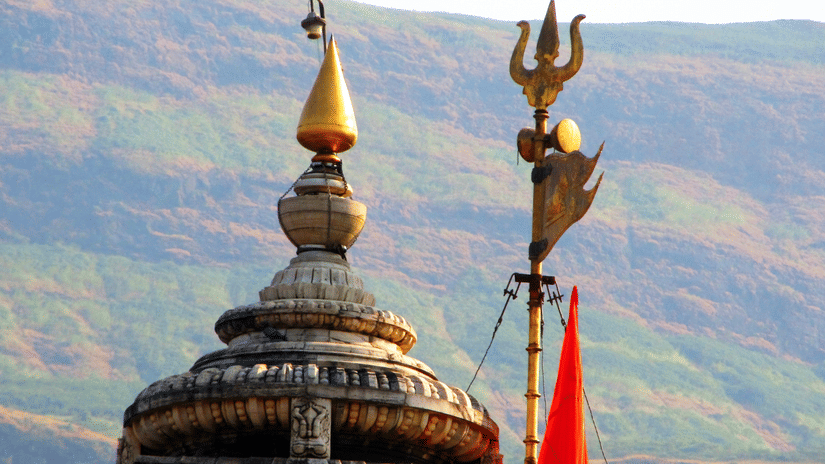
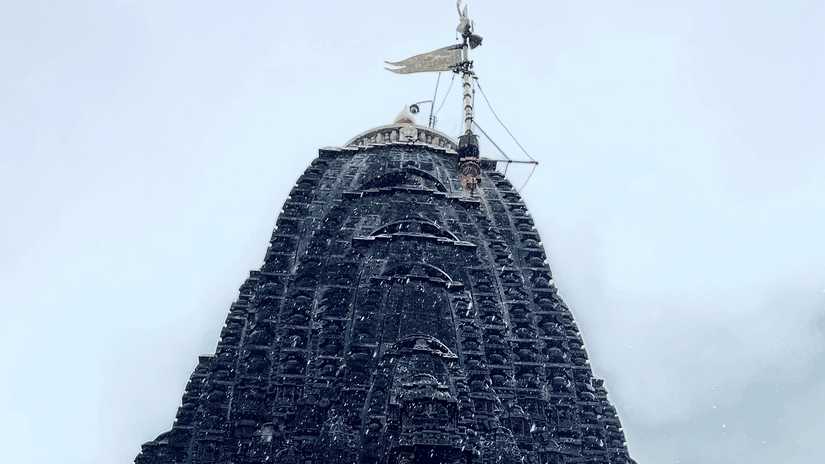
The twelve Jyotirlingas are located in:
- Somnath (Gujarat)
- Mallikarjuna (Andhra Pradesh)
- Mahakaleshwar(Madhya Pradesh)
- Omkareshwar (Madhya Pradesh)
- Kedarnath (Uttarakhand)
- Bhimashankar (Maharashtra)
- Kashi Vishwanath (Uttar Pradesh)
- Trimbakeshwar (Maharashtra)
- Vaidyanath (Jharkhand)
- Nageshwar (Gujarat)
- Rameshwaram (Tamil Nadu)
- Grishneshwar (Maharashtra)
Among these sacred sites, the Trimbakeshwar Jyotirling Mandir stands apart as its Jyotirlinga symbolises the divine trinity of Brahma, Vishnu, and Shiva—a rare representation in Hindu temples.

History of Trimbakeshwar Temple
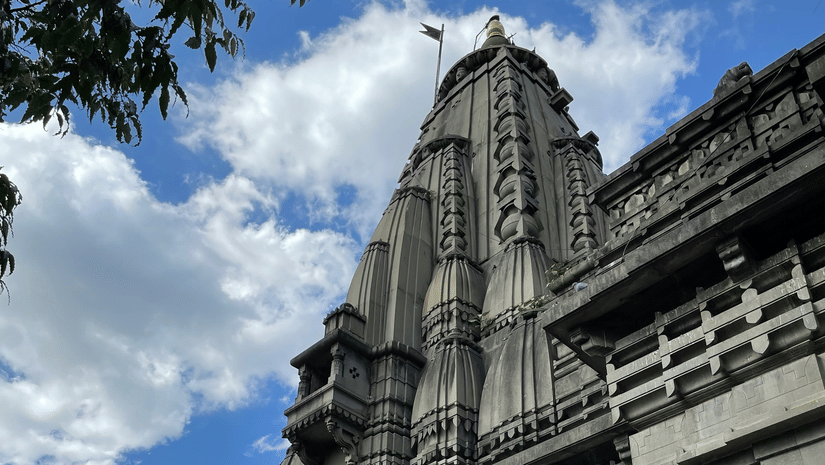
The spiritual history of the Trimbakeshwar Temple dates back many centuries and is mentioned in sacred texts such as the Shiva Purana, Skanda Purana, and Padma Purana. The present temple structure was built in the 18th century during the Maratha period by Peshwa Balaji Baji Rao (Nana Saheb). Constructed using locally sourced black basalt stone, the temple reflects the traditional architectural style of the region.
The town of Trimbak is also associated with Saint Nivruttinath, the elder brother of the Marathi saint Dnyaneshwar, who is believed to have attained spiritual liberation here.
Legends Behind Trimbakeshwar Jyotirlinga Mandir
The mythology surrounding the Trimbakeshwar Jyotirling Mandir is closely linked to Sage Gautama and his wife Ahalya. According to legend, the region once suffered from a severe drought. Sage Gautama performed intense penance to seek relief for the people and was eventually blessed by the gods. Later, after a tragic incident in which a cow was accidentally killed, the sage undertook further austerities to seek purification.
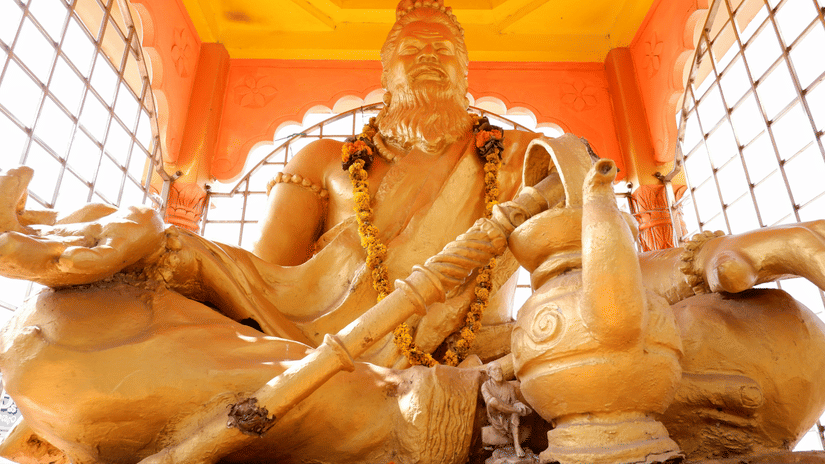
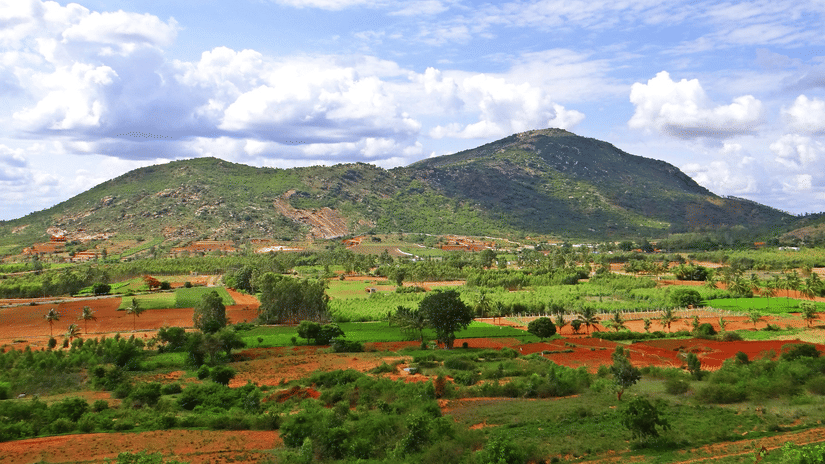
The Trimbakeshwar Temple is located in the town of Trimbak, about 29 km from Nashik. Set within the Sahyadri Range at an elevation of around 720 m, the temple is surrounded by a landscape that combines natural beauty with deep spiritual significance.
The town is surrounded by Brahmagiri, Nilagiri, and Kalagiri hills, with Brahmagiri being the most significant as the origin of the Godavari River. The river begins near the temple at Kushavarta Kund, a sacred tank where pilgrims traditionally perform ritual bathing before seeking darshan. Encircled by hills and ancient pathways, Trimbak offers a peaceful setting that enhances the spiritual experience of visiting the temple.
Deeply moved by his devotion, Lord Shiva appeared before Gautama and granted his wish to bring the sacred Ganga to the region. The holy river descended from the Brahmagiri Hills and came to be known as the Godavari River. At the sage’s request, Lord Shiva also manifested here as a Jyotirlinga, establishing the sacred temple as one of the most revered pilgrimage sites dedicated to Shiva.
Architecture of Trimbakeshwar Temple
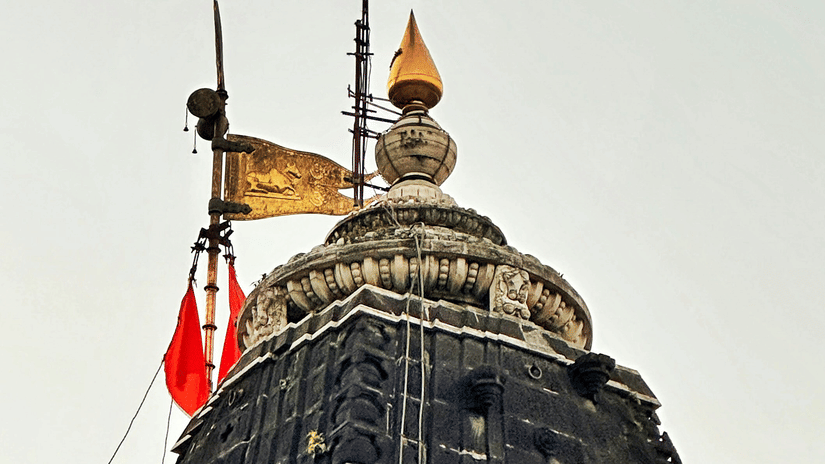
The Trimbakeshwar Shiva Temple is a remarkable example of Hemadpanthi architecture, characterised by the use of black basalt stone and precise stone construction. The temple features a tall, intricately carved shikhara (spire) adorned with sculptures of deities, mythological scenes, and decorative motifs. A spacious stone courtyard surrounds the temple, creating a calm and organised space for devotees.
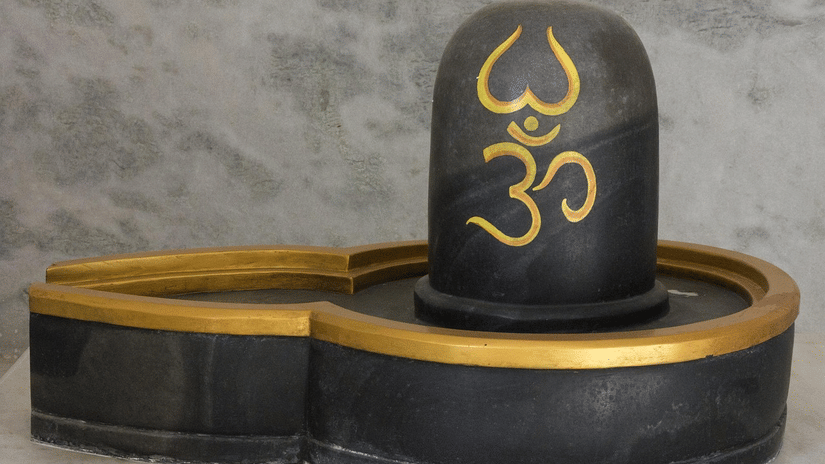
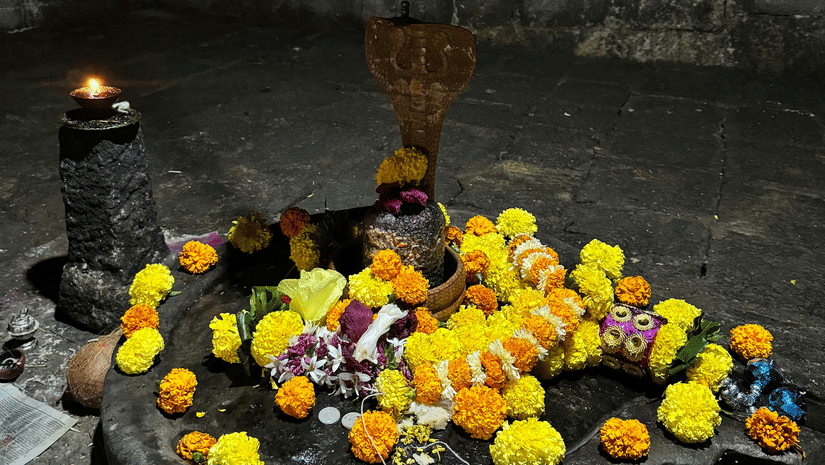
One of the most distinctive aspects of the temple is the three-faced Jyotirlinga, which represents the holy trinity of Brahma, Vishnu, and Shiva. Unlike most Jyotirlingas placed on raised platforms, this lingam sits within a small cavity in the sanctum where water naturally collects. During special rituals and festivals, a jewelled crown adorned with precious stones is ceremonially placed on the lingam, adding to the spiritual significance of the Trimbakeshwar Jyotirling Mandir.
Temple Timings: Planning Your Visit
The temple opens early each day and remains accessible to devotees throughout the day. The general schedule is as follows, though timings may vary slightly during festivals and special occasions:
- Temple Opening: 5:30 AM
- General Darshan: 5:30 AM to 9:00 PM (may pause briefly during rituals)
- Brahma Puja (Morning Puja): 7:00 AM to 8:30 AM
- Mahadev Puja (Midday Puja): 10:45 AM to 12:30 PM
- Vishnu Puja and Evening Aarti: 7:00 PM to 8:30 PM
Entry Fees, Ritual Charges, and Temple Guidelines
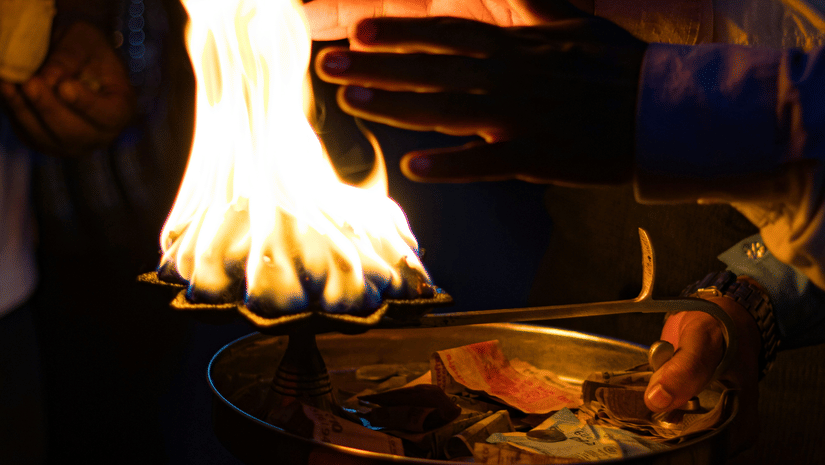
Entry for general darshan at the Trimbakeshwar Jyotirling Mandir is free of charge. However, devotees who wish to perform special rituals are usually required to book in advance. Some of the commonly performed rituals at the temple include Narayana Nagabali, Kaala Sarpa Dosha Nivaran, Rudrabhisheka, and Tripindi Shraddha. These ceremonies are conducted by authorised priests and may involve separate charges depending on the type of ritual.

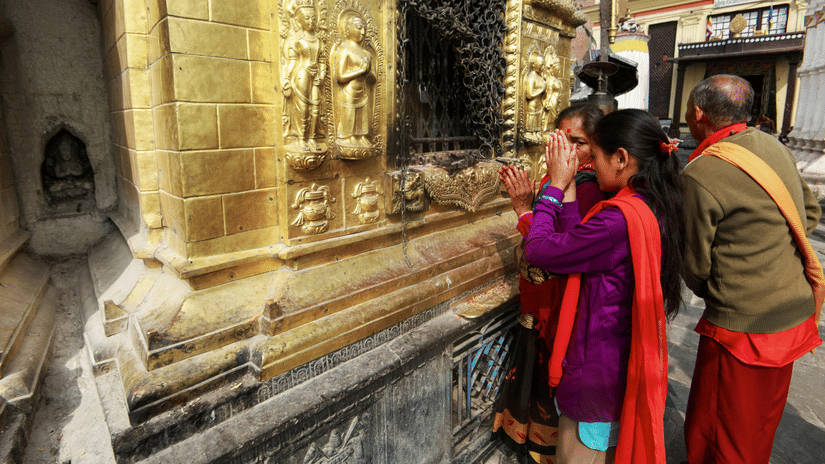
Visitors to the Trimbakeshwar Shiva Temple are also requested to follow certain traditional customs. Footwear is not permitted within the temple premises, and photography inside the sanctum is restricted. Male devotees who wish to enter the inner sanctum for rituals are required to wear traditional attire such as a dhoti. These practices help preserve the sanctity and spiritual atmosphere of the temple while respecting long-standing religious traditions.
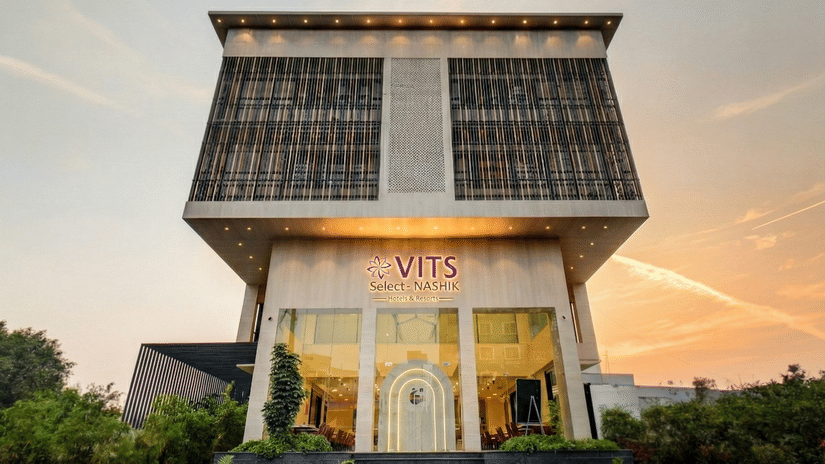
For pilgrims visiting the sacred temple, choosing comfortable accommodation nearby can greatly enhance the overall travel experience. Located about 36 km from the temple, VITS Select Nashik offers a convenient and welcoming base for travellers exploring Nashik and its surrounding spiritual landmarks.
Located in Nashik, our hotel provides easy access to several key destinations, making it convenient for you to explore the city’s spiritual, cultural, and leisure attractions while extending your stay to experience more of what Nashik has to offer:
- Shree Kalaram Mandir, Panchavati: around 5 km
- Nashik Road Railway Station: about 11 km
- Nashik International Airport: around 18 km
- Sula Vineyards: approximately 18 km
- Harihar Fort: approximately 49 km
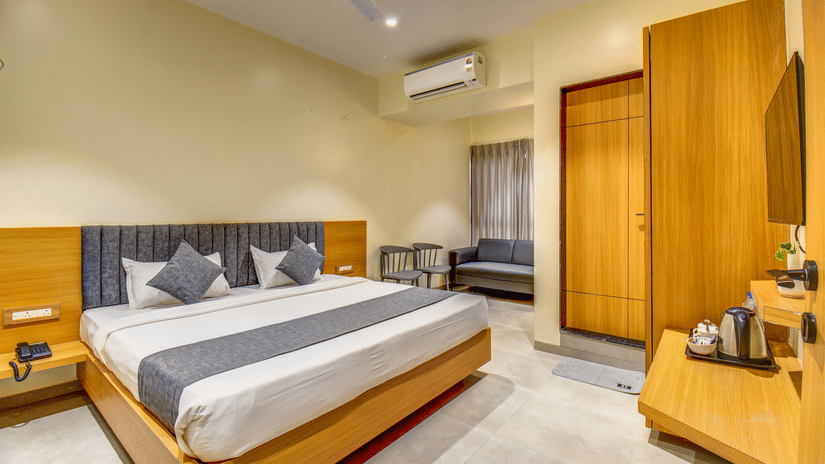
Our hotel features well-appointed rooms, equipped with modern amenities such as air-conditioning, complimentary Wi-Fi, an in-room tea and coffee maker, and comfortable workspaces.
Guests can also enjoy meals at the hotel’s multi-cuisine vegetarian restaurant, offering a variety of carefully prepared dishes suited to both pilgrims and leisure travellers. With attentive hospitality, convenient connectivity, and comfortable accommodation, VITS Select Nashik provides the perfect place to unwind after a spiritually enriching visit to the Trimbakeshwar Jyotirling Mandir.