India's First Marine National Park: Location and Conservation Significance
Visitors to the Narara Marine Sanctuary are exploring a key section of the Marine National Park, a protected region that holds the title of India's First Marine National Park. The timeline:
- 1980: An area of 458 sq. km from Okha to Jodiya was declared a Marine Wildlife Sanctuary.
- 1982: A core area of 163 sq. km was designated as a Marine National Park under the Wildlife Protection Act, 1972.
- Location: Gulf of Kutch, Gujarat.
- Islands: 42 tropical islands, 33 with coral reefs; major islands include Pirotan, Karubhar, Narara, and Poshitra.
- Open to Visitors: Of the various sites, only Narara and Poshitra are open to visitors, with Narara being the more frequent choice due to its superior accessibility.
The park protects two of the most ecologically significant marine ecosystems: coral reefs and mangrove forests. During the 2004 tsunami, areas with intact mangrove cover sustained significantly less damage than exposed coastlines, a real-world demonstration of the ecosystem's role in coastal protection. The coral reefs here protect the coastline from erosion, support fish breeding cycles, and sustain the livelihoods of local fishing communities.
The Narara Marine Life Sanctuary Experience: Walking on an Exposed Seabed
What truly sets the Narara Marine Life Sanctuary apart is the rare opportunity to explore its intertidal zone firsthand. As the tide recedes during low tide, approximately 4 km of seabed becomes exposed, creating a walkable path through living coral reefs, seagrass beds, and tidal pools teeming with marine life. The walk follows a route from the visitor centre through a mangrove-lined path to the shoreline, where the exposed reef begins. The experience in stages:
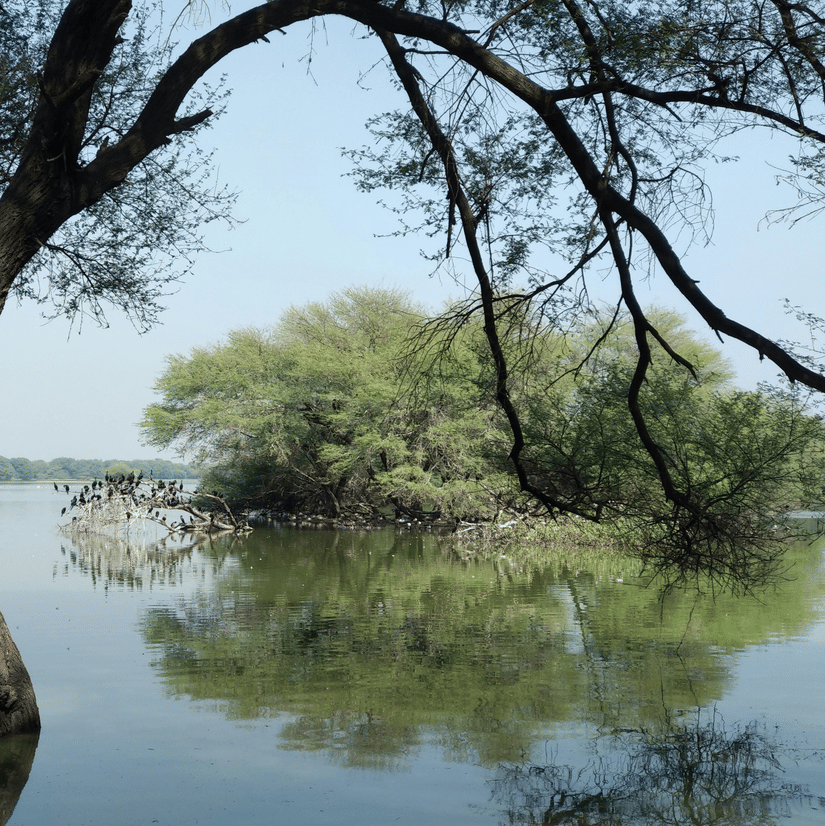
- Mangrove Corridor: The first section passes through tall mangroves. Pneumatophores, the vertical roots that grow upward from the marsh to allow the trees to breathe, are visible along this stretch.
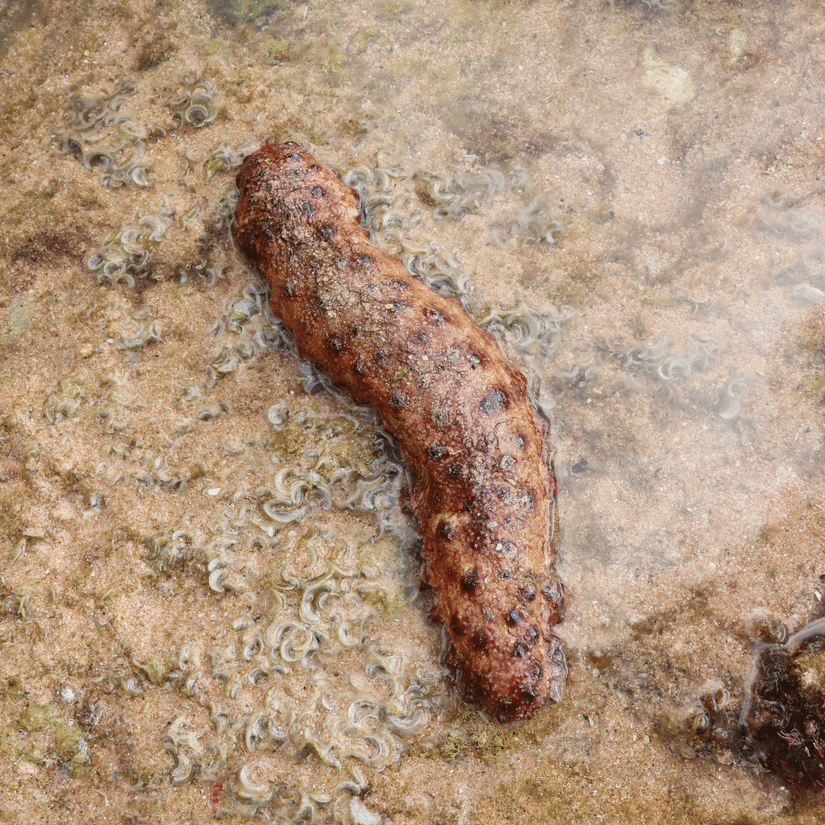
- Sandy Seabed and Seagrass Beds: The transition from sand to reef is gradual. Seagrass beds support species including sea cucumbers and small fish.
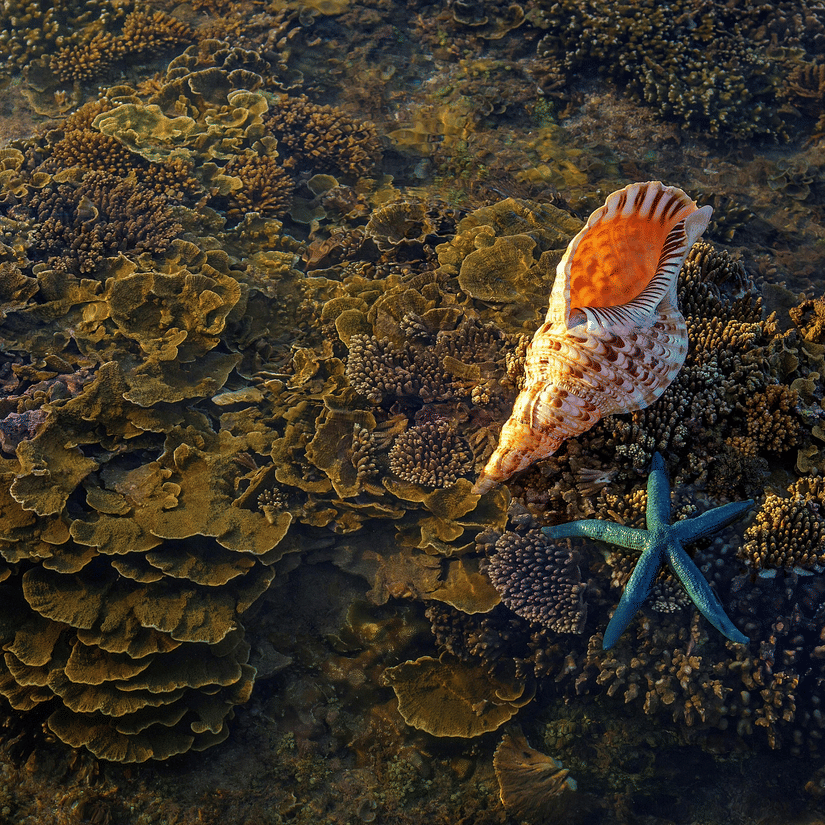
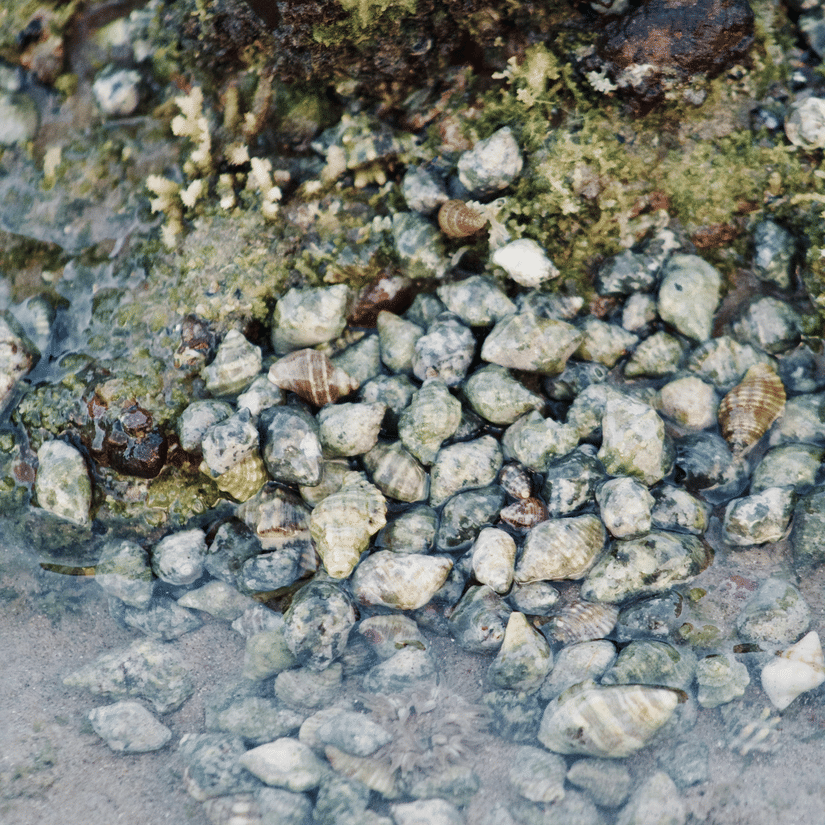
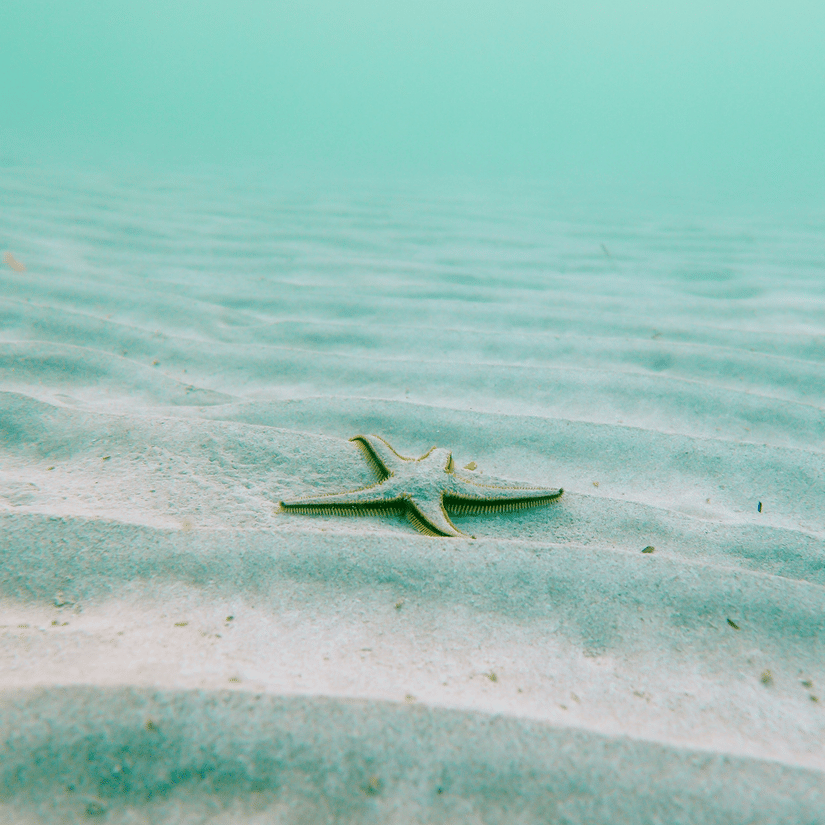
- Coral Reef Zone: The main section of the walk. Guides lift rocks to reveal wolf crabs, Neptune crabs, hermit crabs, clams, and oysters. Starfish, sea anemones, and octopuses are regularly spotted. Puffer fish are present and should not be handled.
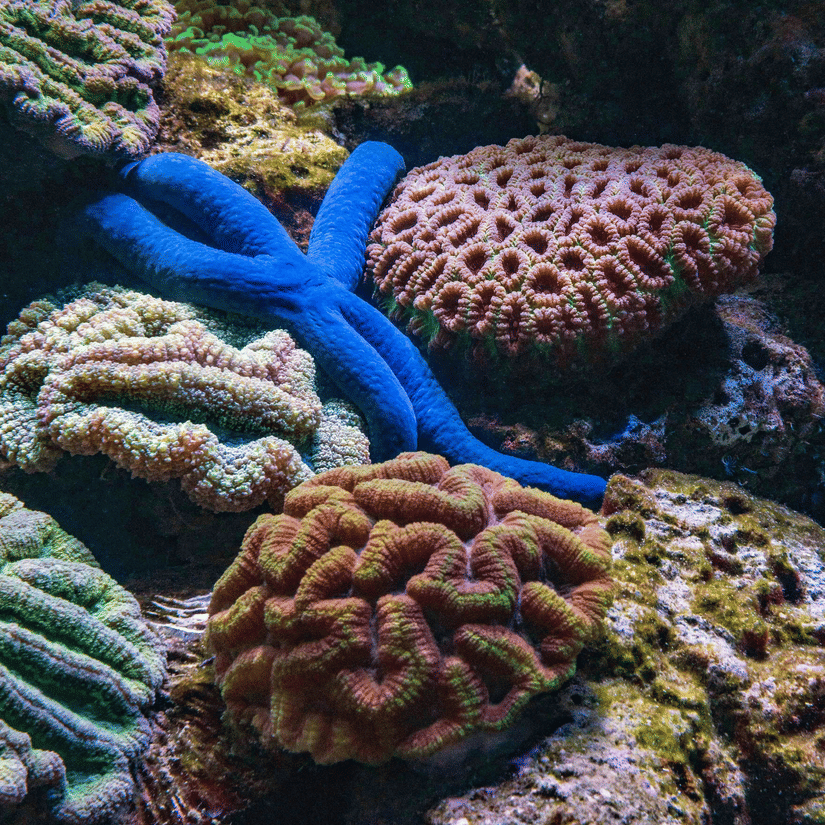
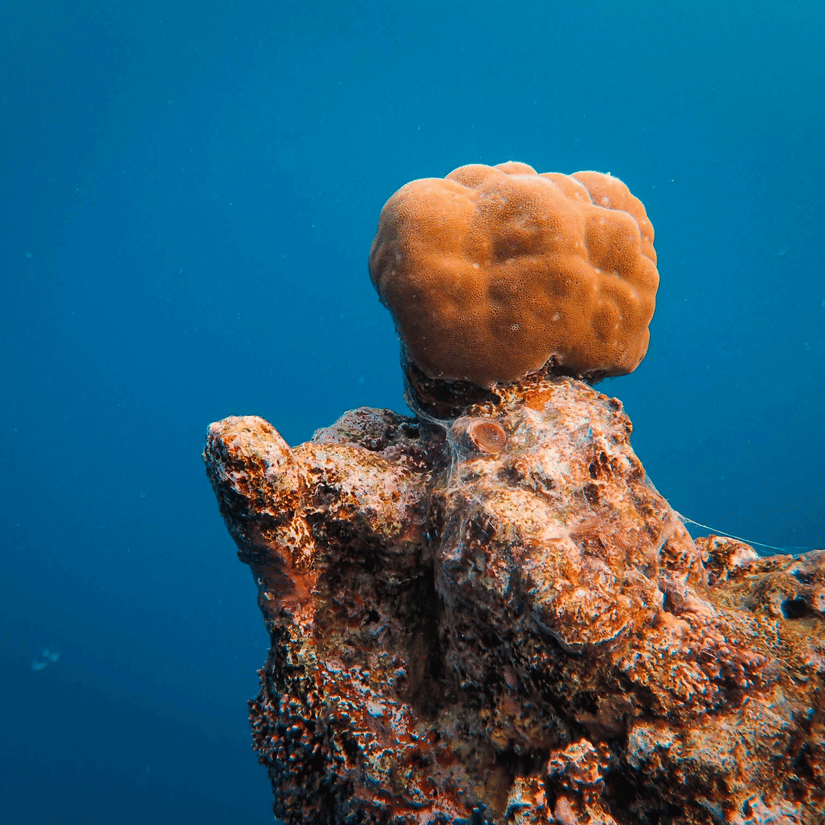
- Deep Reef Section: Moving further into the exposed zone with guides, coral diversity increases. Over 40 species of hard coral and 10 species of soft coral have been recorded in the Marine National Park.
Marine Biodiversity of the Narara Marine Sanctuary
The Narara Marine Sanctuary sits within one of the richest intertidal ecosystems in India. Key species recorded:
- Corals: Over 40 species of hard coral, 10 species of soft coral.
- Crustaceans and molluscs: 30 species of crabs, including wolf crab and Neptune crab, 27 species of prawns, lobsters, oysters, and octopus.
- Echinoderms: Multiple species of starfish, sea urchins, and sea cucumbers.
- Fish: Puffer fish, stingray, and various reef fish species.
- Birds: Crab plovers, bar-tailed godwits, painted storks, herons, egrets, and sandpipers. The flat intertidal terrain makes it an exceptional birdwatching habitat.
- Sponges: Over 40 species of marine sponges have been recorded.
Narara Marine Life Sanctuary Timings, Entry Fee, and Permits
Unlike fixed-hour sites, Narara Marine Life Sanctuary access depends entirely on tide timings, which change daily:
- Entry Timing: 3 hours after high tide; visitors must arrive when the low tide begins.
- Duration of Access: Approximately 2-3 hours per low-tide window.
- Park Open Season: October to February.
- Entry Fee: Rs. 50 (Indians), $10 (Foreigners).
- Camera Fee: Rs. 200 (Indians), $20 (Foreigners).
- Government Guide Fee: Rs. 300 (mandatory).
- Permit: Required from the Forest Department, Jamnagar (Conservator of Forests Office). Foreign nationals require additional permission from the Police Department.
- Critical: Check tide timings before visiting. Contact the Forest Department or check the Marine National Park's official resource for daily tidal schedules. There are four tides in 24 hours. Arriving without knowing the low-tide window may result in a wasted trip. Entry, camera, and guide fees are subject to revision; it is advisable to confirm the latest charges with the Forest Department before planning your visit.
Best Time to Visit Narara Marine National Park
- November to February: Ideal. Cool temperatures (15°C to 25°C), calm seas, active birdlife, and clear visibility in shallow waters.
- March to Mid-May: Manageable but warm. Start early (before 8:00 AM) to complete the walk before midday heat.
- Mid-May to Mid-October: The park is officially closed due to monsoon-related high tides and rough weather.
- Best Time of Day: Early morning, arriving at the low-tide start time, which shifts daily. Book a naturalist or guide in advance to confirm the optimal window for your visit date.
How to Reach Narara Marine National Park from Jamnagar
Narara Marine National Park is approximately 54 km from Jamnagar city centre:
- By Road: Approximately 1.5 hours by car or taxi. No direct public transport; hiring a private vehicle is strongly recommended.
- Nearest Railway Station: Jamnagar Railway Station, approximately 56 km from the park.
- Nearest Airport: Jamnagar Airport, approximately 49 km from the park.
- From Rajkot: Approximately 3 to 4 hours by road; Rajkot has better national flight connectivity than Jamnagar.
Practical Tips for the Narara Marine Sanctuary Visit
- Check tide timings before every visit. The window changes daily, and missing it means no access to the reef.
- Wear waterproof sandals or sturdy shoes with grip. The reef surface is uneven and slippery; barefoot walking is not advisable.
- Carry water and snacks. There are no food or water vendors along the walk route.
- Do not touch, pick, or disturb any marine creature. Coral, shells, and stones may not be removed. Certain species, including jellyfish and stingrays, carry injury risk.
- Book permits and guides in advance. During peak season (November to February), the Forest Department office can be busy; calling ahead avoids delays.
- Wear knee-length bottoms and a light jacket. The sea breeze is strong even on clear days.
- Carry sunscreen and a hat. The walk involves extended exposure on an open reef with limited shade.

Where to Stay for Narara Marine Life Sanctuary: VITS Jamnagar, Mithoi
For visitors planning a trip to Narara Marine Life Sanctuary, a stay in Jamnagar is the logical choice given the 25 km distance to the park. Positioned conveniently for both business and leisure, VITS Jamnagar, Mithoi, is a distinguished boutique hotel opposite the Nayara Refinery. It is particularly noted for its proximity to the region's top attractions, including Lakhota Fort, Vadina Fort, and the Narara Marine Life Sanctuary.
- Rooms: 33 rooms and suites across three categories. Superior Deluxe Twin Rooms (28 sq. m.), Superior Deluxe King Rooms (28 sq. m.), and Executive Suite Rooms (57 sq. m.). All rooms feature air-conditioning, complimentary Wi-Fi, flat-screen TV, minibar, and daily housekeeping.
- Dining: Aromas, the hotel's multi-cuisine restaurant, accommodates 45 covers in a fine-dining setting and serves both vegetarian and non-vegetarian cuisine. Room service is available.
- Facilities: Outdoor swimming pool, two meeting and event venues with modern AV equipment, and on-site parking.
- Location: Dwarka Highway, Mithoi, Jamnagar. Jamnagar Airport is approximately 34 km from the property.