Pandavleni Caves' History: Buddhist Rock-Cut Architecture from the 3rd Century BCE
The Pandavleni Caves' history begins with the Satavahana dynasty and the Kshaharata rulers, who commissioned the caves as monastic retreats for Hinayana Buddhist monks. Despite the popular name suggesting a connection to the 5 Pandavas of the Mahabharata, no historical or archaeological evidence supports this link. The name is a later cultural attribution; the caves' original name, Trirashmi, meaning 'triple royal,' is documented in ancient inscriptions found within the site.
Construction and inscription activity spans several centuries:
- 3rd century BCE: Earliest excavations, during the early spread of Buddhism in the Deccan
- 1st century BCE to 2nd century CE: Main phase of construction under Satavahana patronage
- 6th century CE: Later inscriptions and sculptural additions to existing caves
Architecture of the Pandavleni Caves, Nashik
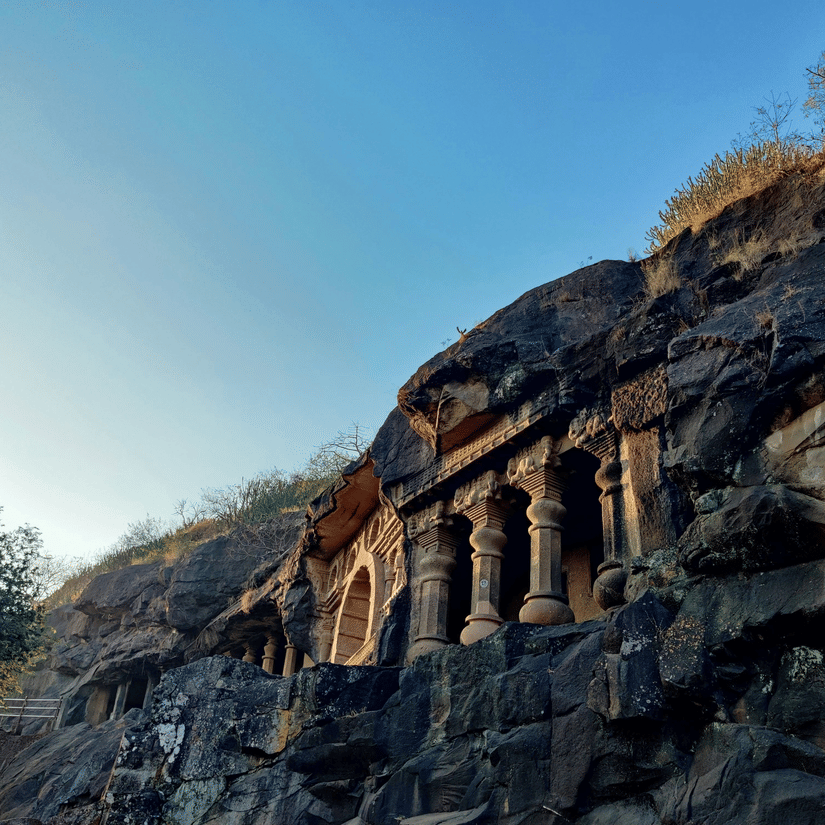
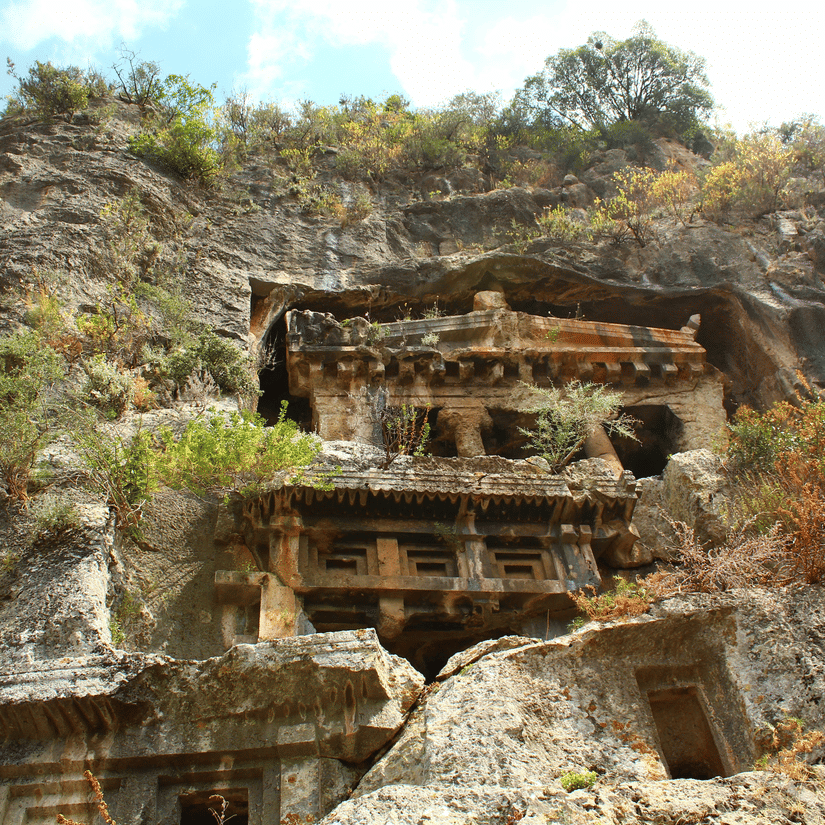
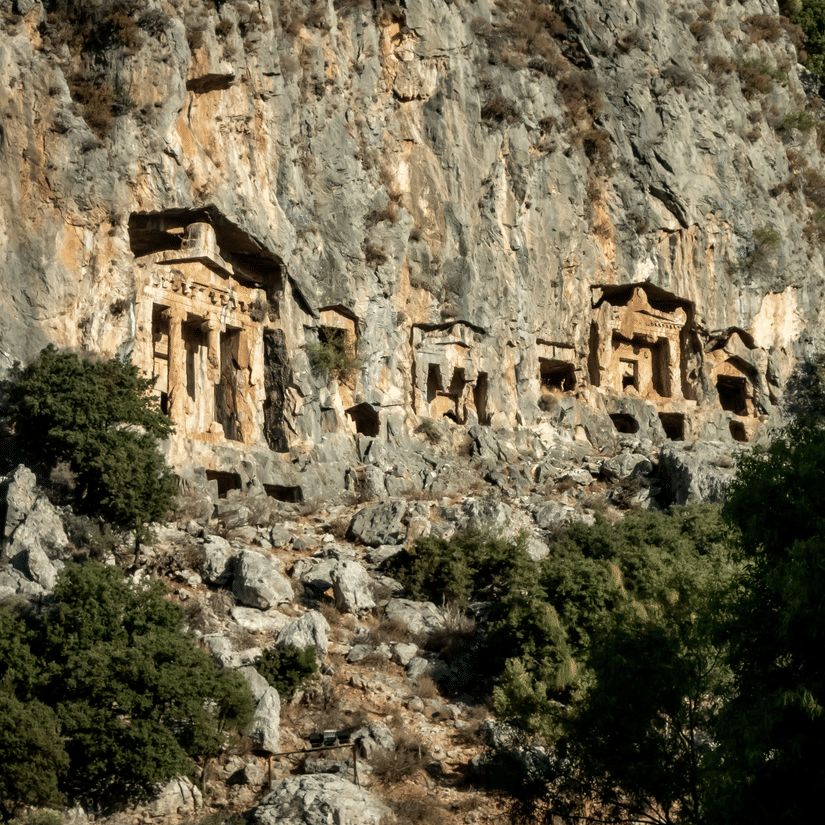
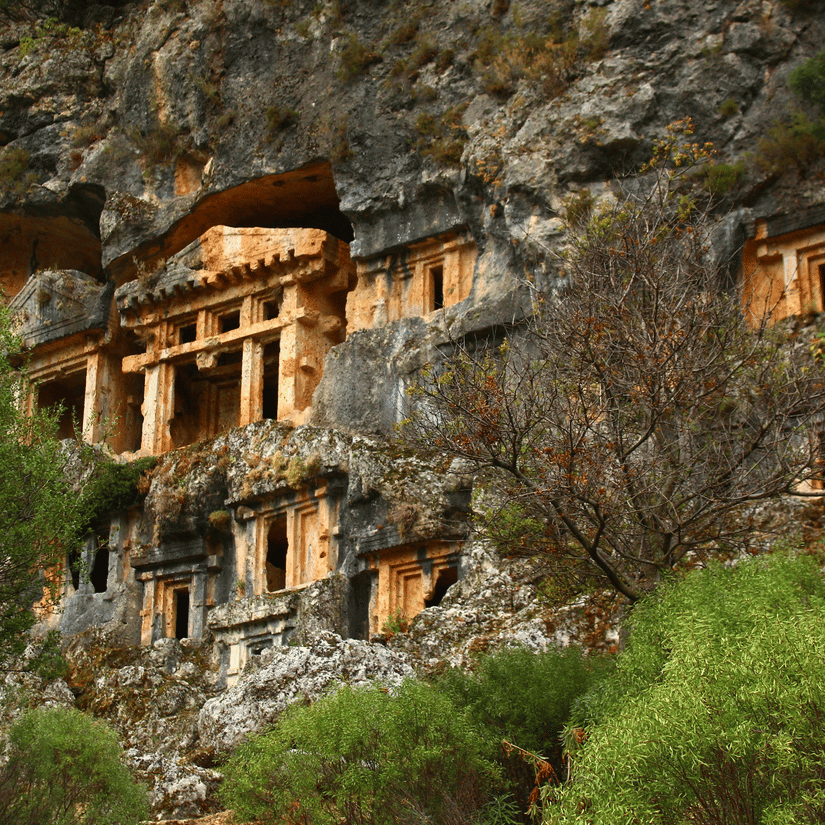
The architectural language of Pandavleni Caves, Nashik, draws from both Hinayana and Mahayana Buddhist traditions, reflecting the evolution of the faith across the centuries during which the caves were active.
Key architectural features:
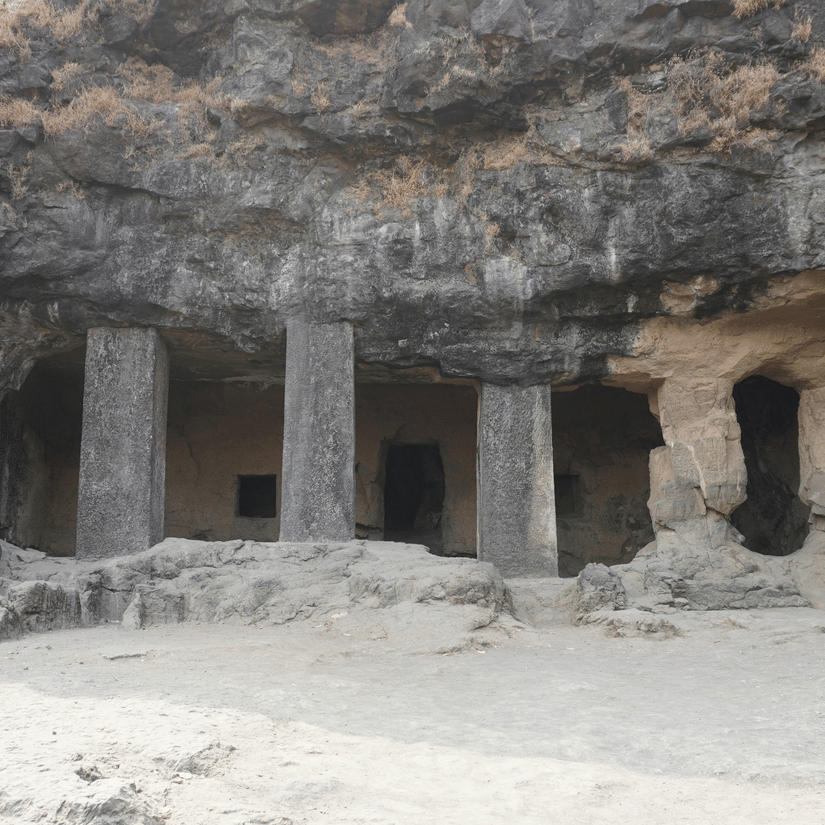
- Cave 3: The largest and most elaborately carved vihara, featuring intricately worked pillars, a central hall, and sculptures of Buddha with fine detailing of attendant figures.
- Cave 10: Considered older and finer than Cave 3 by many scholars, comparable in quality to the Karla Caves near Lonavala. Its carved facade and interior pillars are among the most studied examples of the Nahapana.
- Cave 18: The site's only chaitya, with a ribbed barrel-vault ceiling, carved facade, and a central stupa, the defining architectural element of Hinayana worship.
- Cave 20: Notable for its sculptural programme, including figures of Jain Teerthankaras alongside Buddhist imagery, reflecting the pluralistic devotional context of the site.
- Water Cisterns: Carved directly into the rock face above the caves to channel rainwater, a practical engineering feature common across Deccan rock-cut sites.
- Inscriptions: Surviving inscriptions record donor names, royal titles, and dedicatory formulas in Brahmi script.
The Trek to Pandav Leni Nashik: What to Expect
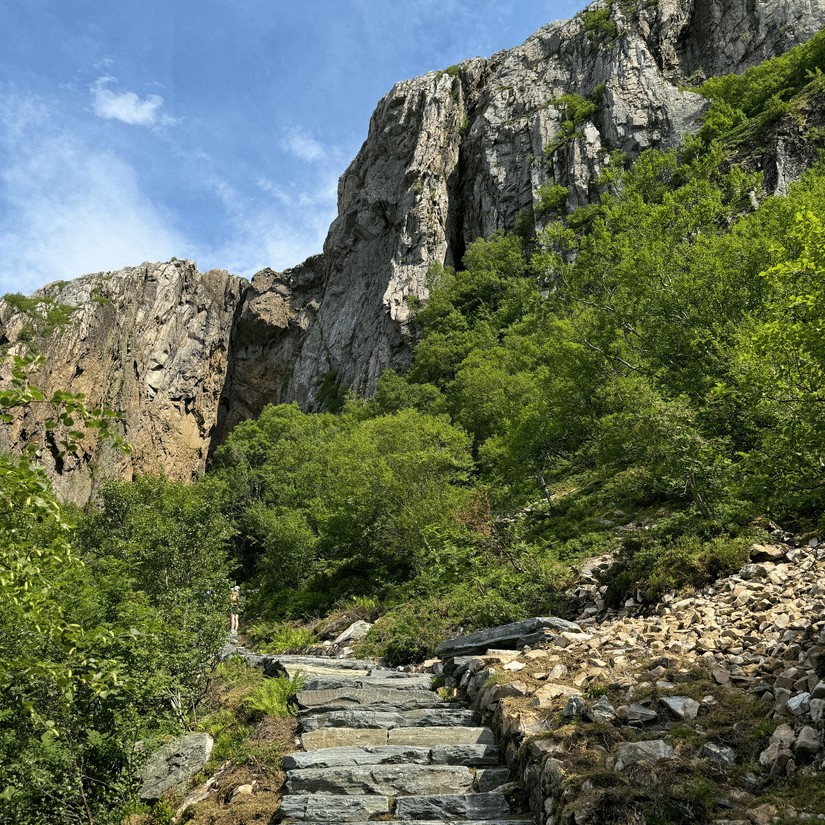
Pandav Leni Nashik sits at a moderate elevation on the Trirashmi Hills, reached by climbing approximately 200 carved stone steps from the base. The climb takes around 15 to 20 minutes at a steady pace and is manageable for most visitors, though not suitable for those with significant mobility limitations. The path is well-maintained and partially shaded.
Trek tips:
- Wear sturdy footwear. The stone steps can be slippery after rain.
- Carry at least one litre of water per person. There are limited vendors at the base and none at the top.
- Visit between 8:00 AM and 10:00 AM for the coolest conditions and the best morning light on the carved facades.
- Allow 2 to 3 hours for a thorough exploration of the full cave complex.
Pandavleni Caves Timings and Entry Fee
- Timings: 8:00 AM to 6:00 PM, daily.
- Entry Fee for Adults: Rs. 20 to 25 per person.
- Entry Fee for Children (up to 15 years): Free.
- Friday Entry: Free for all visitors.
- Recommended Visit Duration: 2 to 3 hours.
Best Time to Visit Pandavleni Caves, Nashik
The site can be visited year-round, but conditions vary significantly by season:
- October to March: The most comfortable period. Temperatures range from 10°C to 28°C, with post-monsoon greenery on the hillside and ideal morning light for photographing the carved facades.
- April to May: Increasingly warm. Visits should be timed for early morning to avoid midday heat on the exposed stone steps.
- June to September (monsoon): The hillside is lush, but the steps become slippery. The caves themselves are well-sheltered from rain.
- Best Time of Day: Early morning, between 8:00 AM and 10:30 AM, for cooler temperatures, softer light on the carvings, and smaller crowds.
Places to Visit Near Pandavleni Caves, Nashik
Pandavleni Caves, Nashik, sit within a wider circuit of heritage and leisure attractions that make a full-day Nashik itinerary easy to plan:
- Trimbakeshwar Temple, 29 km: One of the twelve Jyotirlingas, built in the 18th century by Peshwa Nana Saheb. Allow 2 to 3 hours, including the approach and darshan queue.
- Sula Vineyards, 13 km: India's largest wine producer by volume, offering guided tours, tastings, and a lakeside restaurant. Open every day from 11:30 AM.
- Panchavati Ghats, 3 km: The ancient riverfront area of Nashik along the Godavari, including Ram Kund, Sita Gufa, and the Kalaram Temple, is the most culturally significant section of the city for pilgrims.
- Dada Saheb Phalke Smarak, 8 km: Located at the base of Pandavleni Hills, this museum is dedicated to Dhundiraj Govind Phalke, the founder of Indian cinema, who was born in Nashik.
- Dudhsagar Waterfalls (seasonal), 10 km: Also known as Someshwar Waterfall, it is active during the monsoon and immediately after; a short road trip from Nashik.

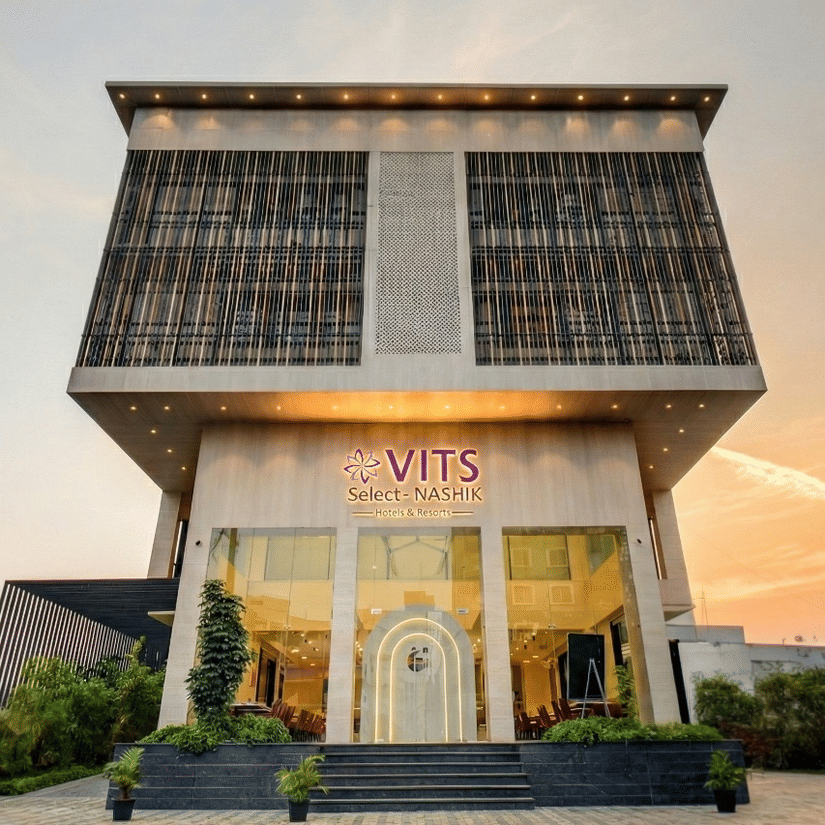
Where to Stay in Nashik for Pandavleni Caves: VITS Select Nashik
Visitors planning a day at Pandavleni Caves in Nashik benefit from a centrally located hotel that keeps both the caves and the wider city circuit within easy reach. Situated in the heart of Panchavati, VITS Select Nashik is roughly 7 km from the Nashik Road Railway Station. Its central location offers guests effortless access to the Pandavleni Caves, the sacred Panchavati Ghats, and the road to Trimbakeshwar.
- Rooms: Three categories comprising 24 rooms: Deluxe Rooms, Executive Rooms, and Deluxe Triple Rooms, each equipped with air-conditioning, complimentary Wi-Fi, flat-screen TV, and 24-hour room service.
- Dining: An in-house pure vegetarian multi-cuisine restaurant, suited to the preferences of pilgrims and leisure travellers visiting Nashik's religious sites.
- Facilities: A banquet hall with a capacity of approximately 250 guests, complimentary Wi-Fi, laundry services, and on-site parking.
- Location: Panchavati, Nashik. Panchavati Ghat is approximately 6 km away, Trimbakeshwar Temple is 32 km away, and HAL Airport Ozar is 22 km away.