The Shaniwar Wada history began on 10 January 1730, when Peshwa Bajirao I laid its foundation stone. The palace was completed on 22 January 1732 and soon became the administrative heart of the Maratha Empire. That chapter ended in 1818 after the Third Anglo-Maratha War, when the British East India Company took control of Pune.
A devastating fire broke out on 27 February 1828 and burned for 7 days. It destroyed most of the palace's magnificent wooden interiors. The massive stone walls, gateways, and foundations survived, preserving the outline of one of Maharashtra's most iconic landmarks. Today, those remains invite visitors to imagine the stories, ceremonies, and royal life that once unfolded within these walls.
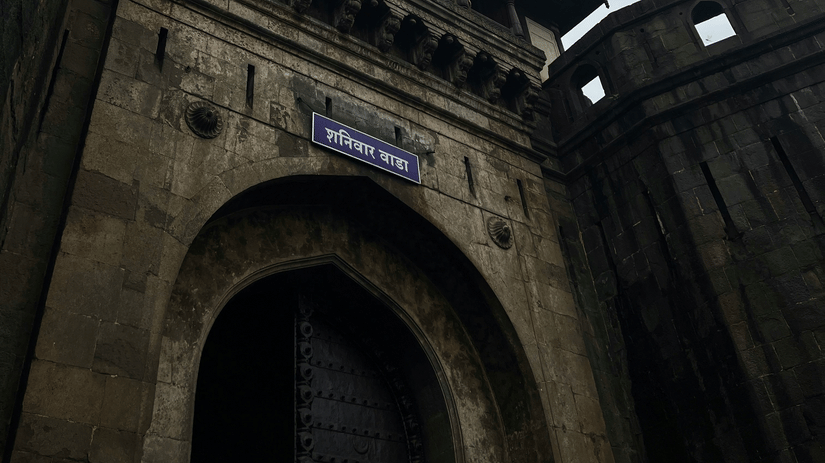
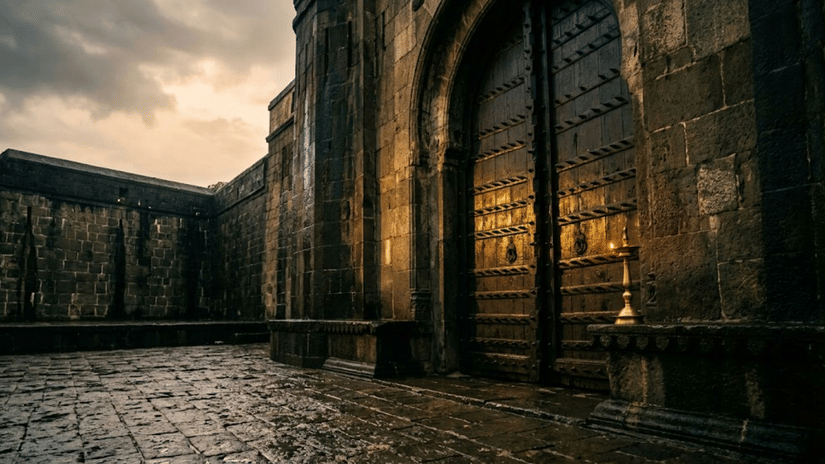
Shaniwar Wada architecture reflects the priorities of an 18th-century fort built for both defence and royal grandeur. 5 grand gates guarded the sprawling palace complex, each serving a distinct purpose and carrying its own history.
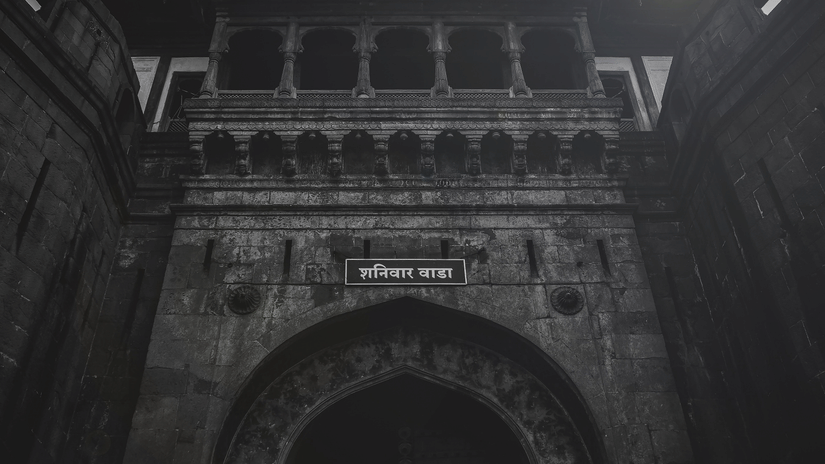
The largest, Delhi Darwaja, faces north towards Delhi and remains the fort's principal entrance today. Massive stone walls reinforced with iron-spiked gates were designed to withstand attacks from charging war elephants, while richly carved teak pillars, balconies, and doorways once adorned the palace interiors before the devastating fire of 1828.
The largest, Delhi Darwaja, faces north towards Delhi and remains the fort's principal entrance today. Massive stone walls reinforced with iron-spiked gates were designed to withstand attacks from charging war elephants, while richly carved teak pillars, balconies, and doorways once adorned the palace interiors before the devastating fire of 1828.
Khidki Darwaja: The Watchman's Gate
Khidki Darwaja takes its name from the small observation window built into its structure. Rather than serving as the fort's principal entrance, it functioned as a guarded access point where sentries could monitor activity outside the walls before allowing visitors to enter. Even today, the design offers a glimpse into the careful defensive planning that shaped Shaniwar Wada.
Mastani Darwaja: A Gate Linked to Legend
Mastani Darwaja is closely associated with Mastani, the companion of Peshwa Bajirao I. According to local tradition, she is believed to have used this entrance while visiting the palace, although historians differ on the exact details. Whether rooted in history or legend, the gate remains one of Shaniwar Wada's most intriguing landmarks and reflects the enduring fascination with Bajirao and Mastani's story.
Ganesh Darwaja: The Royal Household's Entrance
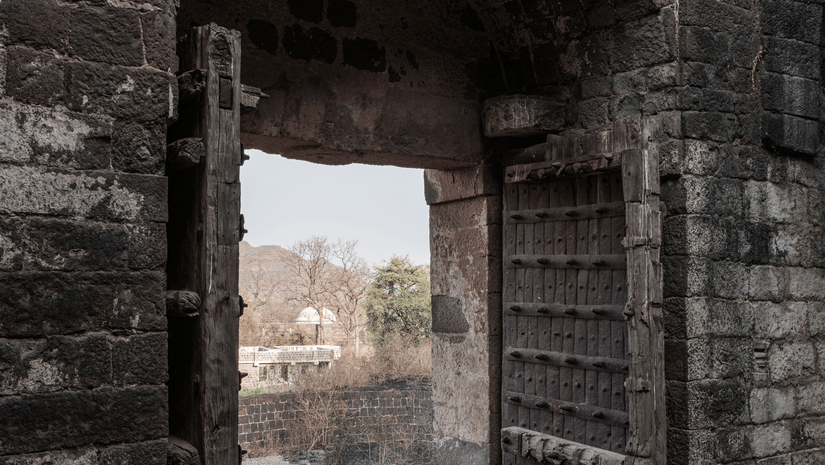
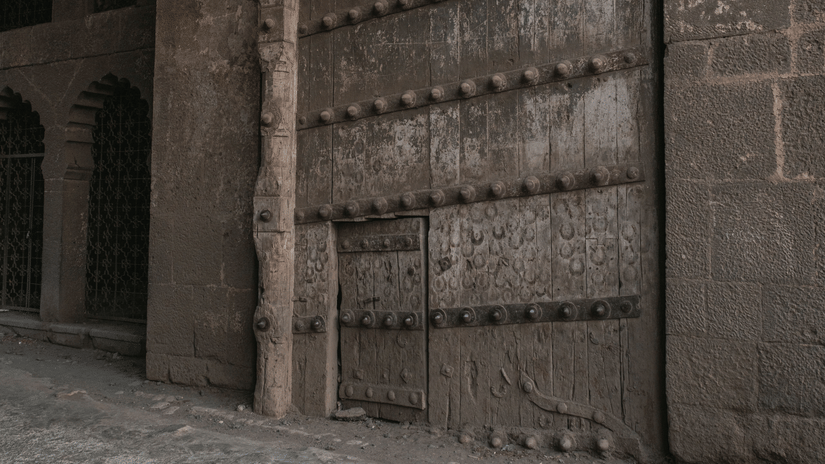
Named after Lord Ganesha, Ganesh Darwaja served as one of the principal entrances used by the royal household. It provided convenient access between the palace and nearby temples, where members of the Peshwa family regularly offered prayers. Today, it stands as a reminder of how daily life within Shaniwar Wada blended royal ceremony with religious tradition.
Narayan Darwaja: A Gate Marked by History
Narayan Darwaja, also known as Jambhul Darwaja, is remembered for one of the most tragic events in Shaniwar Wada's history. Following the assassination of the young Peshwa Narayanrao in 1773, tradition holds that his body was carried out through this gate. The event changed the course of Peshwa succession, giving the entrance a lasting place in the fort's historical legacy.
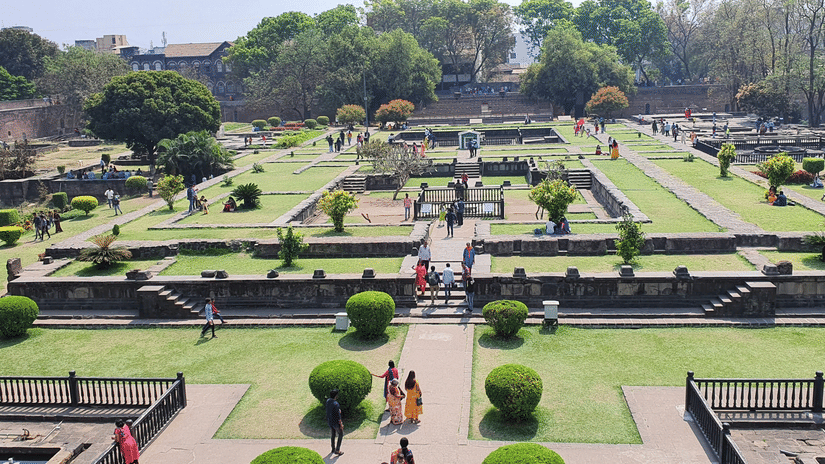
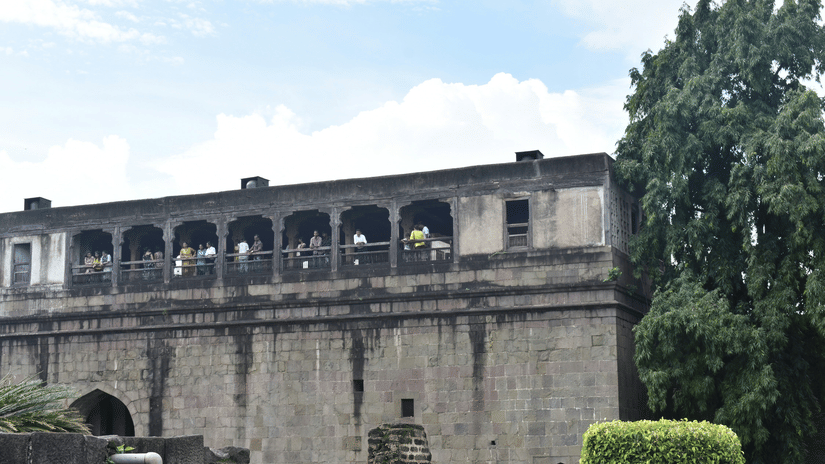
Beyond the imposing gates, Shaniwar Wada's massive stone walls still outline the sprawling palace complex that once served as the seat of the Peshwas. Inside, a series of interconnected courtyards linked royal residences, audience halls, gardens, and administrative spaces, creating a layout designed for both governance and everyday palace life.
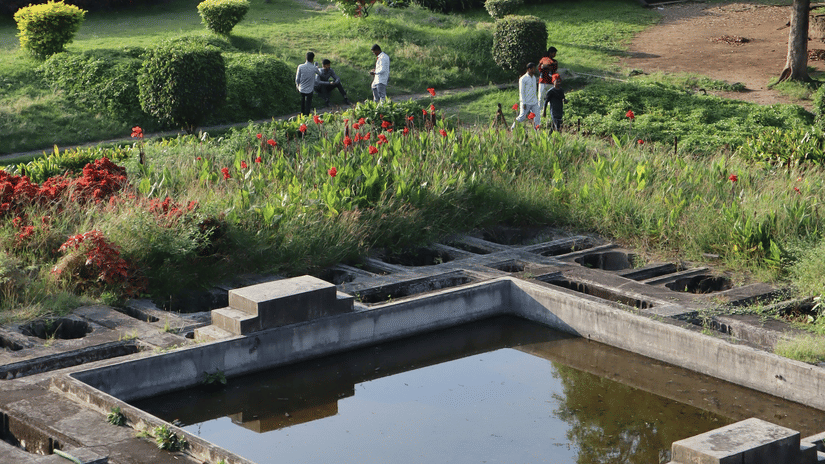
One of the most celebrated surviving features is the Hazari Karanje, a lotus-shaped fountain that once formed the centrepiece of a principal courtyard. Around it, stone foundations trace the footprints of the multi-storeyed wooden buildings destroyed in the fire of 1828. Walking through these open spaces today makes it easier to imagine the scale, elegance, and daily rhythm of one of the Maratha Empire's grandest palaces.
Projected onto a water screen within the fort grounds, the show creates a dramatic backdrop that brings centuries of Maratha history to life. The Shaniwar Wada light and sound show is presented in Marathi, Hindi, and English, allowing visitors to experience the fort's story in multiple languages.
Ticket Fees (subject to change)
- Children (5 to 14 years): Rs. 40 per person
- Adults (14 years and above): Rs. 50 per person
- Foreign Nationals: Rs. 100 per person
The Shaniwar Wada timings are generally from 9:00 AM to 5:30 PM, and the monument is open every day of the week, including Sundays. Arriving early in the morning is one of the best ways to explore the fort before the afternoon heat sets in and visitor numbers increase, especially on weekends.
The Shaniwar Wada entry fee is generally Rs. 20 for Indian visitors and Rs. 200 for foreign nationals, although these charges may change over time. It is always a good idea to check the latest ticket prices and payment options before planning your visit.
The Shaniwar Wada entry fee is generally Rs. 20 for Indian visitors and Rs. 200 for foreign nationals, although these charges may change over time. It is always a good idea to check the latest ticket prices and payment options before planning your visit.
The best time to visit Shaniwar Wada is between October and February, when Pune enjoys cooler, drier weather and temperatures are generally comfortable for exploring the fort. Summer, from March to June, brings rising temperatures that can make midday sightseeing less enjoyable.
- Best Time of Day: Visit early in the morning to enjoy cooler temperatures and fewer crowds, or arrive in the late afternoon for softer light.
- Photography Opportunities: The imposing Delhi Darwaja and the Hazari Karanje fountain are among the fort's most popular photography spots, especially during the golden hours of the day.
- Dagdusheth Halwai Ganpati Temple: One of Pune's most revered temples, renowned for its richly adorned idol of Lord Ganesha.
- Tulshibaug Market: A bustling shopping district filled with jewellery, clothing, household goods, and traditional Maharashtrian stores.
- Lal Mahal: A reconstructed palace built near the site of the original residence where Chhatrapati Shivaji Maharaj spent part of his childhood.
- Laxmi Road: One of Pune's oldest shopping streets, lined with traditional stores and especially lively in the evening.

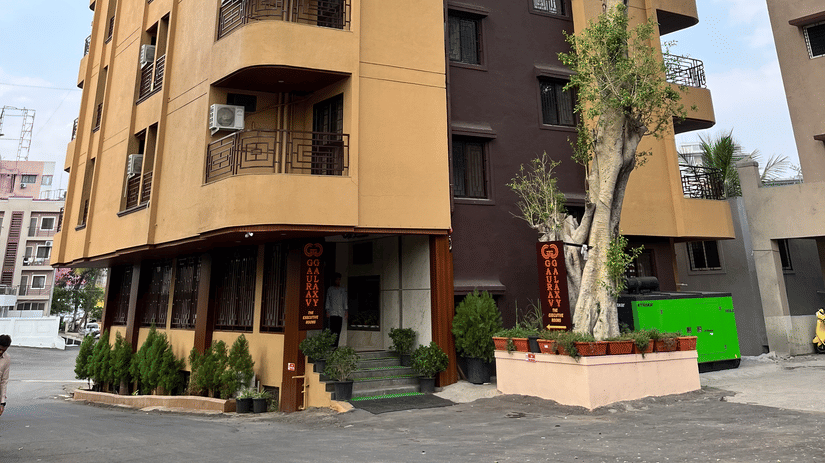
After exploring the historic courtyards and stories of Shaniwar Wada, return to the comfort of VITS Select Kharadi, Pune. Located in Kharadi, around 40 minutes from the fort depending on traffic, our hotel offers a well-connected base. Our location near the World Trade Centre and EON Free Zone makes us equally convenient for business and leisure travellers.
Designed for a relaxing stay, our hotel features comfortable accommodations, modern amenities, and thoughtful services for both short visits and extended stays. Whether you're planning a heritage walk through Pune's historic centre or exploring other attractions across the city, our travel desk can help you organise your itinerary, allowing you to enjoy the best of Pune with ease.
Designed for a relaxing stay, our hotel features comfortable accommodations, modern amenities, and thoughtful services for both short visits and extended stays. Whether you're planning a heritage walk through Pune's historic centre or exploring other attractions across the city, our travel desk can help you organise your itinerary, allowing you to enjoy the best of Pune with ease.