The Religious and Cultural Significance of Narmada Parikrama
Legend has it, according to the Rewa Khand, that the Narmada herself spoke of the power of her banks. She is worshipped as a goddess in motion, and those who complete her full circuit are said to earn a spiritual 'clean slate,' breaking free from the repetitive cycle of birth and death. The tradition is said to have been first undertaken by the sage Markandeya, and in ancient times, the full Parikrama, with all prescribed rituals observed, spanned 3 years, 3 months, and 13 days.
The pilgrimage follows a strict spiritual code:
- The river must always remain on the pilgrim's right side. Pilgrims never cross the river except at its source or its mouth.
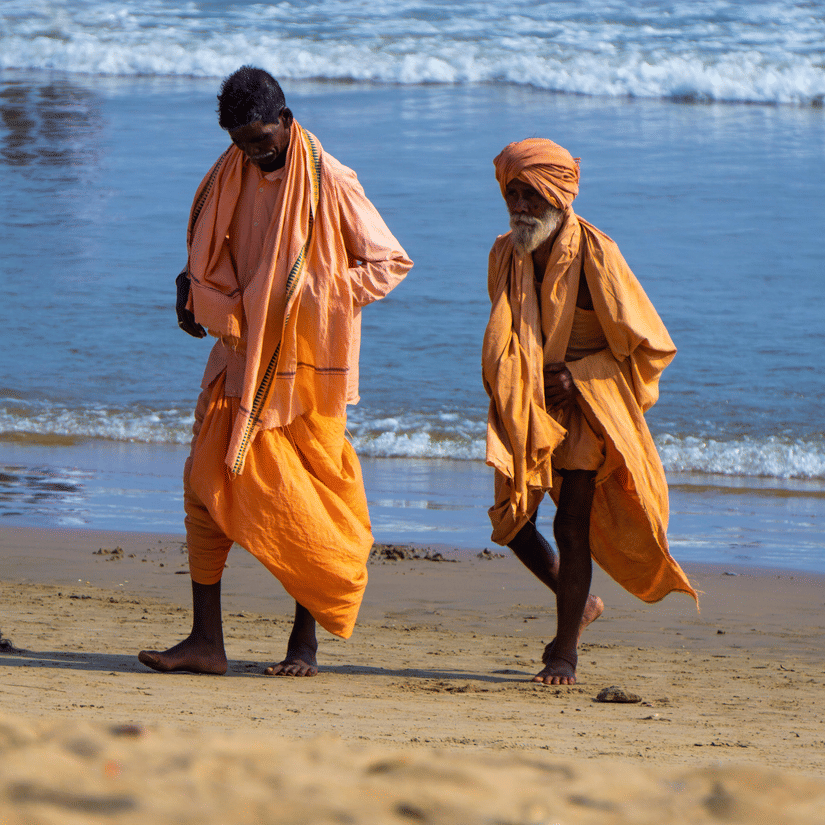
- Many parikramavasis adopt saffron robes, observe strict vegetarian and often salt-free diets, and walk barefoot as an act of devotion.
- Pilgrims are sustained by the tradition of bhiksha (receiving food and shelter from communities along the route), which remains an active practice across Madhya Pradesh and Gujarat.
The Narmada Parikrama Route: Both Banks of a Sacred River
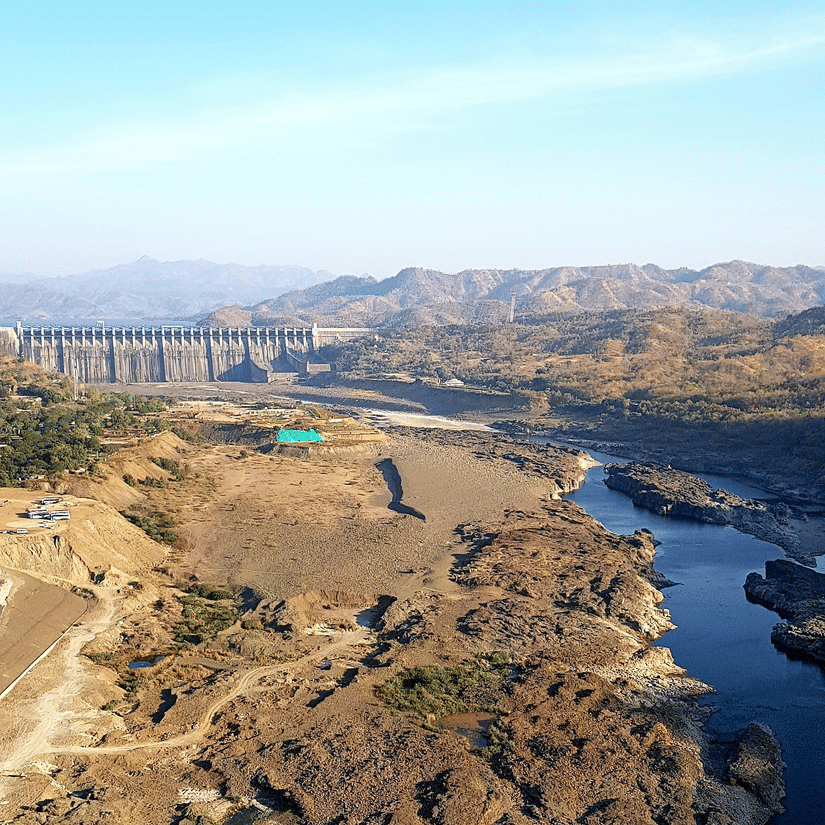
The Narmada Parikrama traditionally begins and ends at Amarkantak (Anuppur district, Madhya Pradesh), the river's source. The route follows:
- South Bank (Dakshin Tat), Downstream: Amarkantak, Dindori, Mandla, Jabalpur, Narsinghpur, Hoshangabad, Omkareshwar, Maheshwar, Barwaha, Rajghat, Shulpaneshwar, Rajpipla, Tilakwada, Ankleshwar, Bharuch.
- Turn at Bharuch: At the river mouth, pilgrims cross to the north bank by boat (a four to seven-hour crossing) to a village called Mithi Talai.
- North Bank (Uttar Tat), Upstream: Mithi Talai (Bharuch), Nandod, Garudeshwar, Shulpaneshwar, Toranmal, Burhanpur, Omkareshwar (North), Dewas area, Sanawad, Hoshangabad, Seoni, Mandla (North), Dindori (North), back to Amarkantak.
Key spiritual stops along the route include:
- Amarkantak: Origin of the Narmada; Narmada Udgam Kund temple and Kalachuri-period ancient temples.
- Omkareshwar: One of the twelve Jyotirlingas; the island Parikrama here (approximately 7 km) is a pilgrimage within the pilgrimage.
- Maheshwar: Historic ghats developed by Queen Ahilyabai Holkar; fort, temples, and evening aarti on the river.
- Bhedaghat (Jabalpur): Marble rock formations rising from the river; Dhuandhar Falls and Chausath Yogini temple.
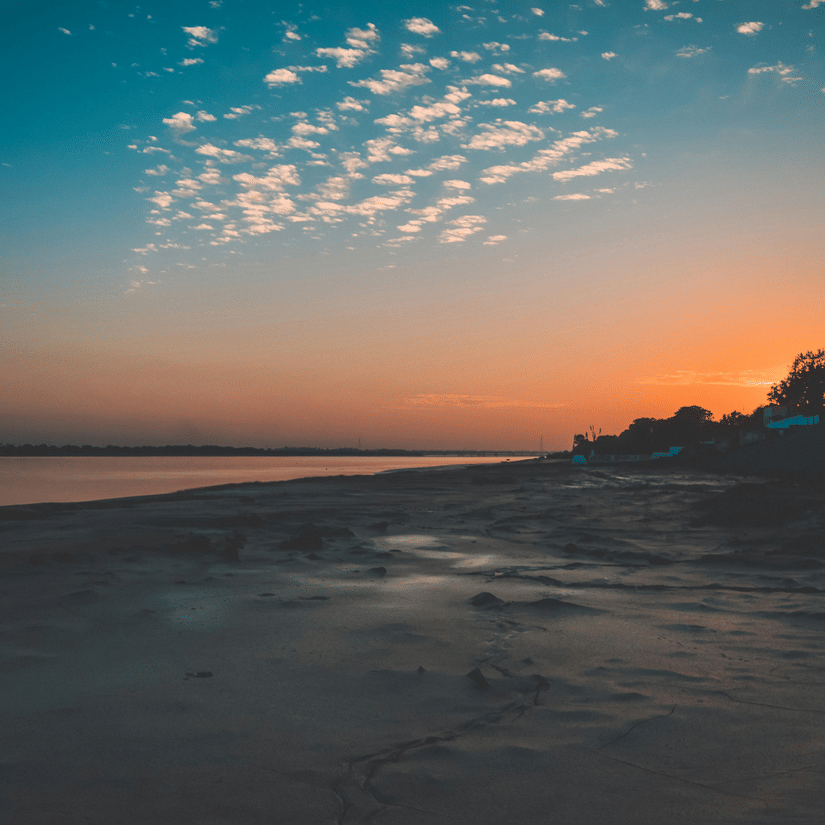
- Bharuch (Broach): Where the Narmada meets the Arabian Sea; a significant crossing point and the final landmark of the south bank route.
Narmada Parikrama by Foot: The Traditional Path
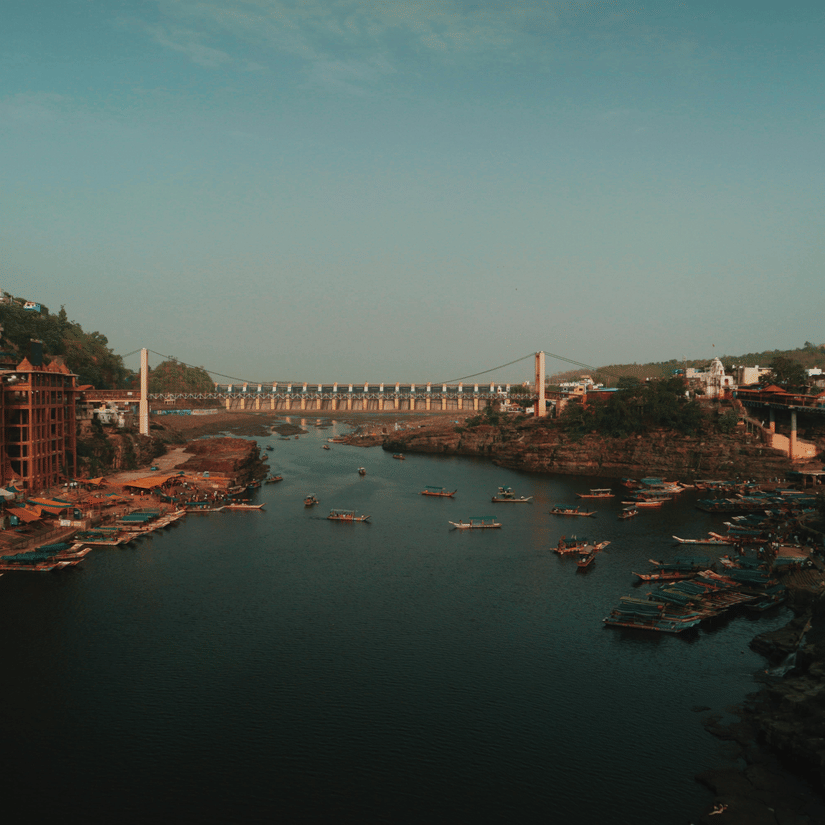
Narmada Parikrama by foot is the most spiritually potent and traditionally prescribed form of the pilgrimage. Walking the full circuit, pilgrims cover between 15 and 25 km per day. Narmada Parikrama walking days vary depending on the pilgrim's pace and the time spent at significant temples and ashrams along the route:
- Traditional Duration: 3 years, 3 months, and 13 days (with all prescribed rituals).
- Modern Completion: 200 to 250 days on average.
- Faster Pace: 3 to 6 months, covering 20 to 25 km per day.
- Omkareshwar Short Parikrama: A single day on foot (approximately 7 km), the most accessible version for first-time pilgrims.
Narmada Parikrama by Bus: Organised Tours for Pilgrims
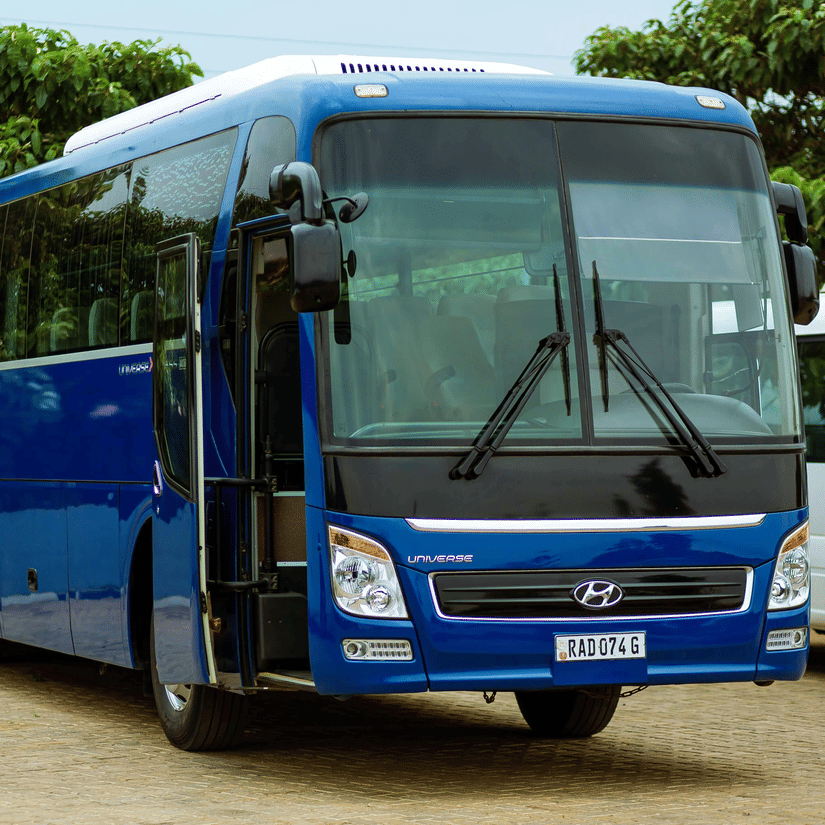
Narmada Parikrama by bus has become increasingly popular, particularly among elderly pilgrims and those with limited time. Several travel agencies and spiritual organisations run structured tours:
- Duration: 14 to 21 days for most organised packages.
- Coverage: Major religious sites only; villages and forest sections accessible only on foot are generally skipped.
- Starting Points: Most tours depart from Amarkantak, Omkareshwar, or Jabalpur.
- Suitability: Best for senior citizens, first-time pilgrims, or those combining the Parikrama with family travel.
- What to Check Before Booking: Confirm which bank sections are covered, whether the Bharuch crossing is included, and accommodation standards (some tours use dharamshalas, others use hotels).
Narmada Parikrama by Car: Flexibility and Family Travel
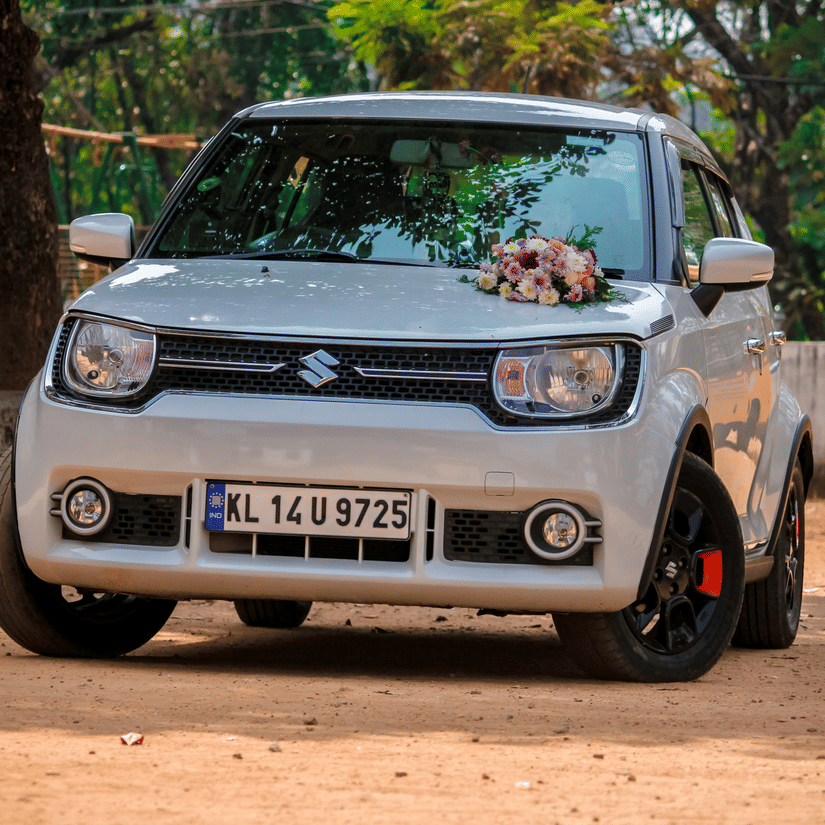
Narmada Parikrama by car offers the most flexible format and is well-suited to families, small groups, and individuals who want to plan their own itinerary:
- Duration: 10 to 20 days for the full circuit, depending on stops.
- Total Distance: Approximately 4,000 km by road (road routes do not always follow the riverbank directly).
- Advantages: Complete control over pace, accommodation, and which sites to visit; ability to take detours to temples and ghats not on organised bus routes.
- Practical Requirements: Emergency medicines, sufficient fuel (petrol stations are sparse in forest sections between Mandla and Barwani), offline maps, and a basic toolkit for the vehicle.
- Route Tip: The Uttarvahini segment near Rajpipla and Tilakwada in Gujarat, where the Narmada briefly flows northward, is considered especially auspicious and should not be skipped on any Narmada Parikrama by car itinerary.
Total Distance and Duration of the Narmada Parikrama
The full Narmada Parikrama covers approximately 2,600 to 3,500 km along the riverbanks. When travelling by vehicle, the total distance increases to roughly 4,000 km, as the highway network cannot always mirror the river’s winding course. Here is a format-wise summary:
- By Foot, Traditional Pace: 2,600 to 3,500 km; 3 years, 3 months, and 13 days with all prescribed rituals.
- By Foot, Modern Pace: 2,600 to 3,500 km; 200 to 250 days on average.
- By Foot, Faster Pace: 3 to 6 months, covering 20 to 25 km per day.
- By Car or Vehicle: Approximately 4,000 km by road; 10 to 20 days.
- By Bus, Organised Tour: Key sites only; 14-21 days.
Bharuch: The Turning Point of the Narmada Parikrama
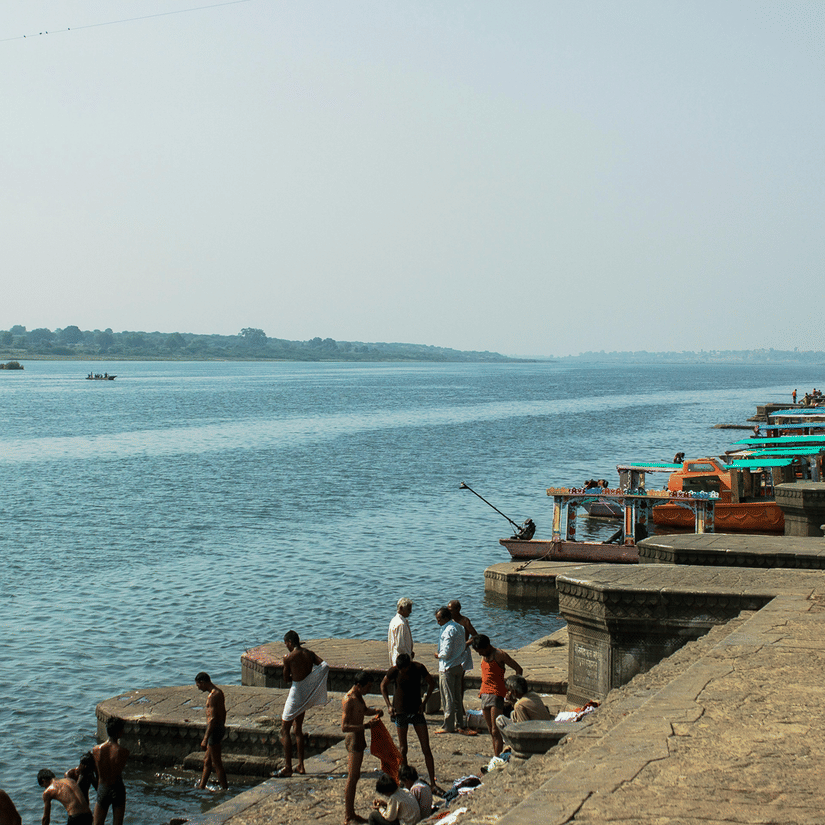
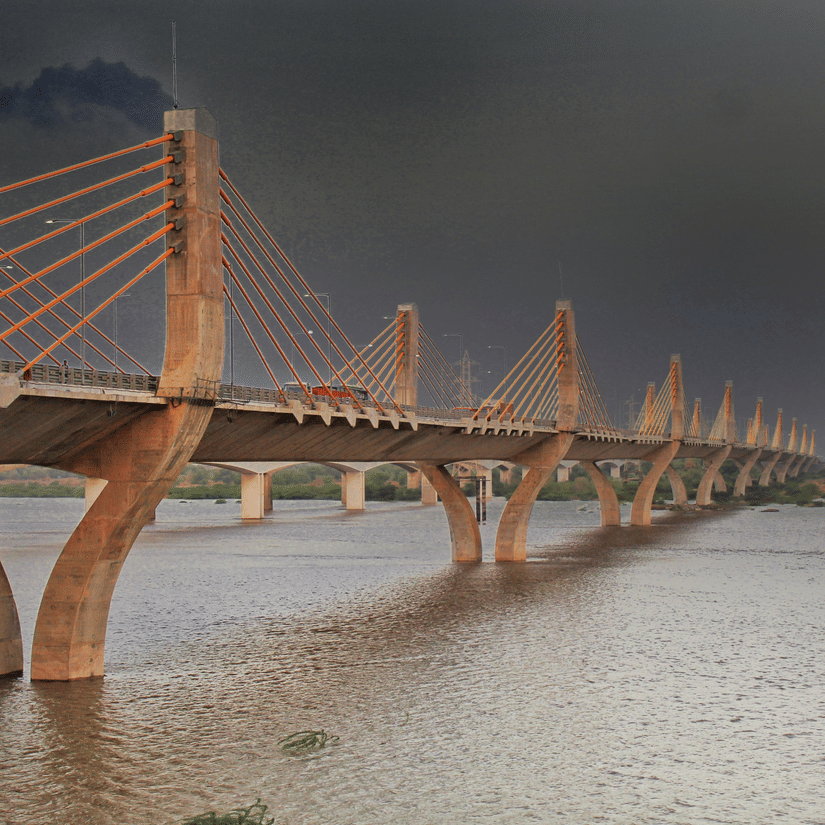
Bharuch, known historically as Broach, is one of the oldest continuously inhabited cities in India and carries significant cultural and commercial heritage. It sits at the mouth of the Narmada River, where it meets the Arabian Sea, the southernmost point of the Narmada Parikrama and the turning point between the south and north banks. For pilgrims, Bharuch represents both a geographical and spiritual milestone: the completion of the south bank journey and the beginning of the return. The city is also home to several temples, including BAPS Shri Swaminarayan Mandir, Jalaram Temple, and Pipleswer Mahadev, making it a natural rest point before the boat crossing to Mithi Talai.
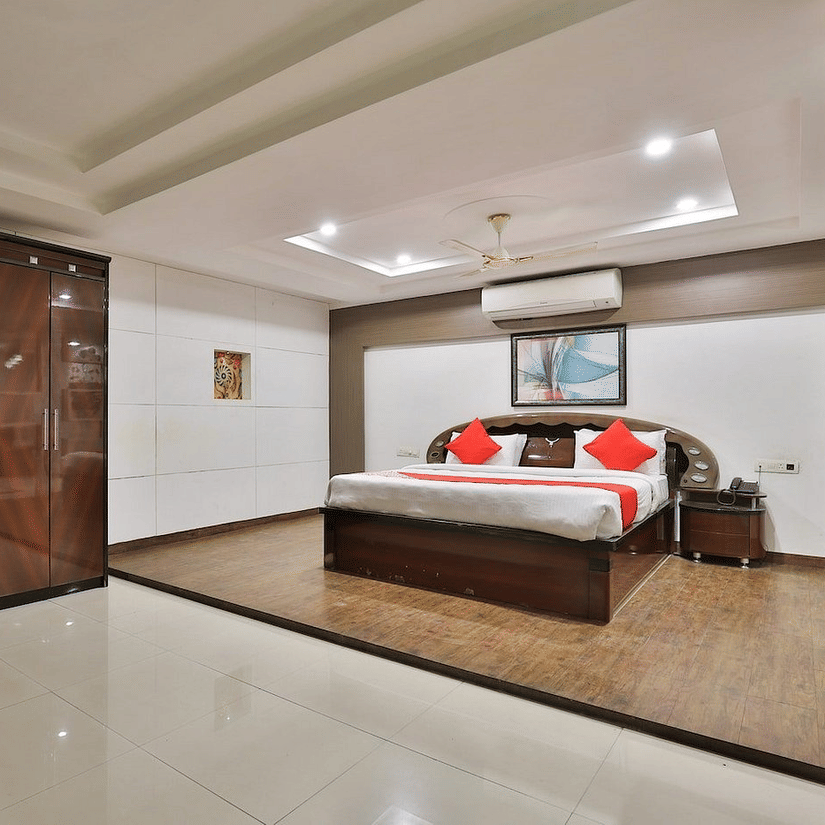
Where to Stay in Bharuch During the Narmada Parikrama: VITS Select, Bharuch
For pilgrims and travellers passing through Bharuch on the Narmada Parikrama, a reliable, centrally located stay matters. Located near Golden Bridge and within walking distance of the railway station, VITS Select, Bharuch, offers easy access to key spiritual sites, including the BAPS Swaminarayan Mandir and Pipleswer Mahadev. It stands as one of the most practical stay options for Parikrama travellers.
- Rooms: Three categories. Deluxe Rooms (16 sq. m.). Executive Rooms (27 sq. m.). The Suite (35 sq. m.). All rooms have complimentary Wi-Fi and daily housekeeping.
- Dining: VITS Select Bharuch offers in-room dining services. The hotel is also located in proximity to Bharuch's city-centre dining options.
- Facilities: Enjoy a seamless stay with 24-hour reception, concierge assistance, and a banquet hall tailored for private gatherings. Practical amenities include free on-site parking, laundry services, elevator access, and a smoking area.
- Location: Golden Bridge, Bharuch. Close to the Bharuch Bypass bus station, with Surat Airport approximately 81 km away.